Article

閉じる
閉じる
Search
The Near-Infrared-Absorbing Materials offer the following features:

Versatile Thermal Management
Absorbs near-infrared energy to block radiant heat, and can also convert light into heat when needed.

Low Dosage and Reduced Toxicity
Achieves equivalent performance at 1/6 to 1/50 the amount of ITO
High Transparency
Maintains high visible-light transmittance for clear optical performance

Inorganic Material Durability
Chemically resistant for long-term functional stability
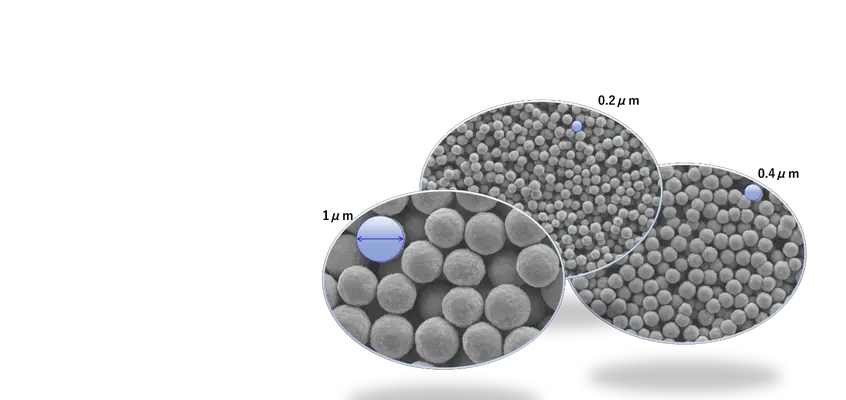
Sumitomo Metal Mining's near-infrared-absorbing materials, SOLAMENT™ (near-infrared-absorbing fine particles: CWO™) and LaB₆, combine high visible-light transmittance with strong near-infrared absorption. Sumitomo Metal Mining invented and developed these proprietary materials, registered as trademarks in Japan and abroad.
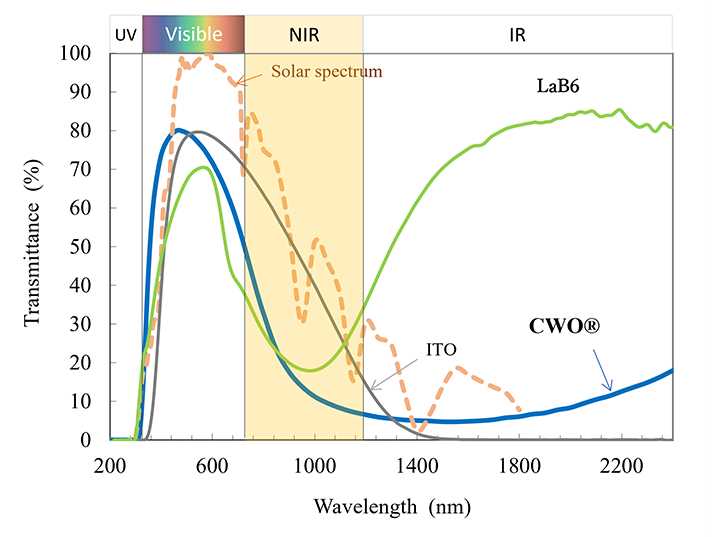
Compared to CWO™, LaB₆ shows higher absorption in the near-infrared range. Although LaB₆ transmits less visible light than CWO™, it excels at absorbing light around 900 nm.
Sumitomo Metal Mining's series of near-infrared-absorbing materials offers a lineup for a range of applications. If your required specifications are not listed, please contact us.
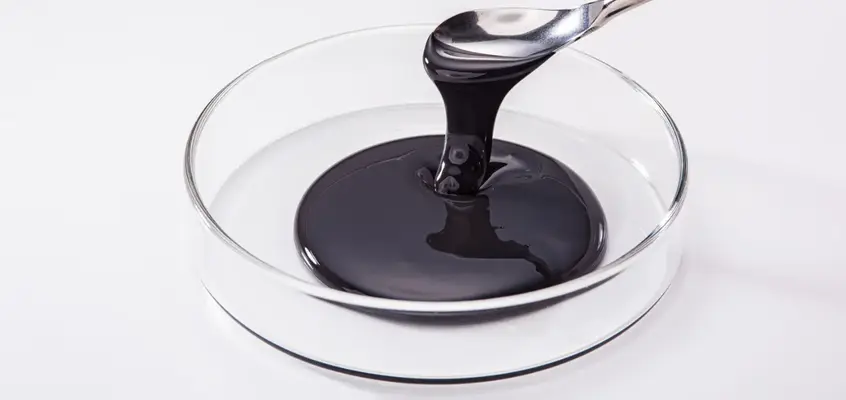
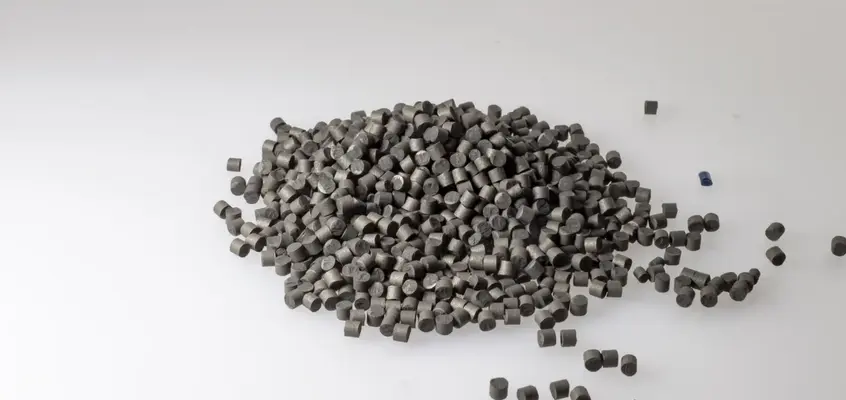
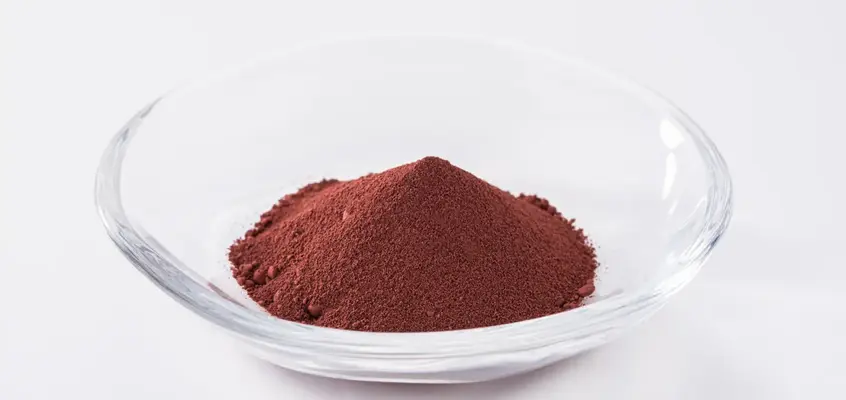
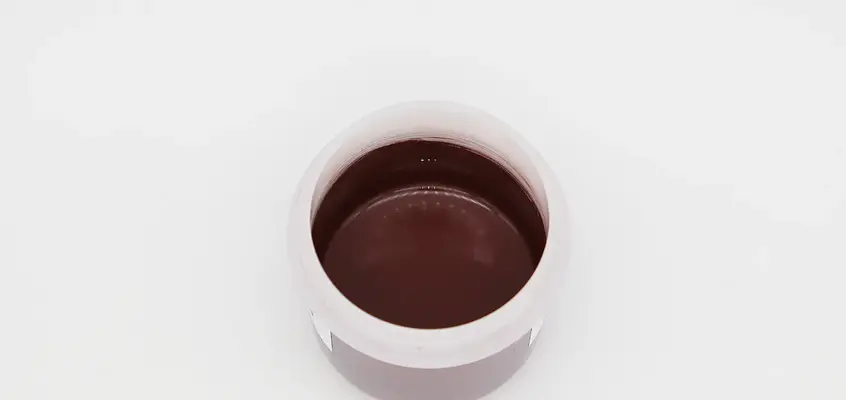
| Product Form | Material | Solvent | CAS No. |
|---|---|---|---|
| Liquid dispersion | CWO™ | Methyl Isobutyl Ketone (MIBK) | 108-10-1 |
| Water | 7732-18-5 | ||
| Propylene glycol monomethyl ether acetate (PGMEA) | 108-65-6 | ||
| LaB6 | Toluene | 108-88-3 | |
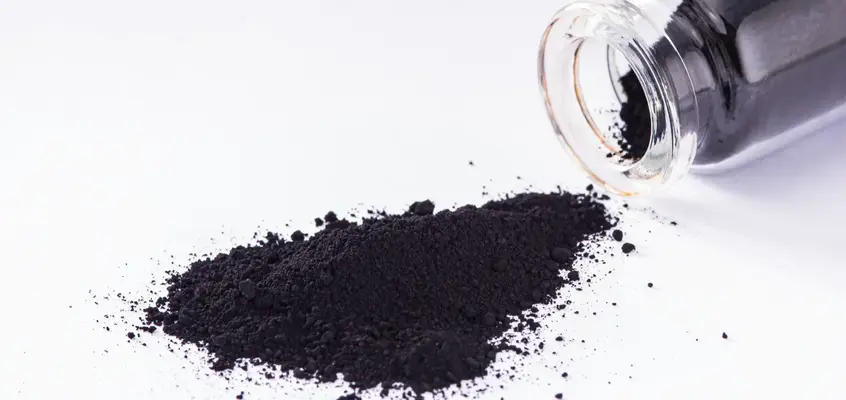
| Powder dispersion | CWO™ | Contains trace amounts of toluene | 108-88-3 |
| LaB6 |

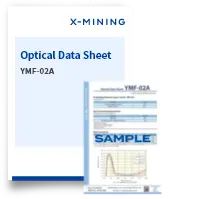
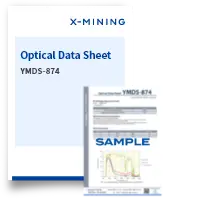
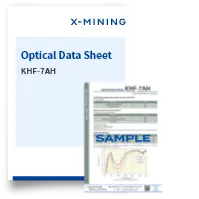
For detailed product information and specifications, download the optical data sheets below. Each data sheet contains the optical measurement procedure and optical properties:
SOLAMENT™ near-infrared-absorbing materials offer diverse thermal management functions, high transparency, and weather resistance. These properties make the materials suitable for a wide range of applications, including window materials that block heat from sunlight, agricultural nets, and textiles that convert absorbed light into heat.


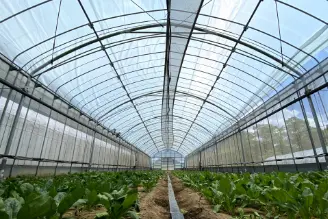
In midsummer, temperatures inside greenhouses can exceed 40 °C (104 °F), causing crop damage and heat stress for workers.
SOLAMENT™ (near-infrared-absorbing nanoparticles: CWO™) blocks light at wavelengths between 850 and 1,200 nm — the primary source of heat in sunlight — while transmitting light in the 400–850 nm range, which is essential for crop photosynthesis.
Our dispersions can be applied to PET films, fibers, and other agricultural materials, blocking only the wavelengths that cause temperature rise while transmitting the light needed for photosynthesis and human visibility.
>Learn how SOLAMENT™ reduces greenhouse temperatures
SOLAMENT™ (near-infrared-absorbing nanoparticles: CWO™) is an inorganic nanomaterial that combines high visible-light transmittance with efficient near-infrared absorption.
Nanoencapsulation coats the nanoparticle surface with a resin layer, which reduces surface activity and blocks water molecules, adding high-temperature alkali resistance. Sumitomo Metal Mining developed this nanoencapsulated CWO™, which keeps the characteristic functions of CWO™ while adding high chemical resistance. It withstands harsh high-temperature alkaline solutions, opening a wide range of potential applications.
> Explore nanoencapsulated CWO™ for chemical-resistant applications
The near-infrared spectral distribution of sunlight is most intense at wavelengths between 800 and 1,200 nm. Nanoparticles of indium tin oxide (ITO) and antimony-doped tin oxide (ATO) cannot fully block light in this range.
In addition, ITO contains indium, a precious metal, and has been designated as a specified chemical substance due to its toxicity.
SOLAMENT™ (CWO™) and LaB₆ provide high shielding capability against near-infrared rays below 1,400 nm. These materials deliver strong shielding performance with a significantly smaller amount of material. To date, no information about hazards has been reported for CWO™ or LaB₆.
> Compare SOLAMENT™ to conventional ITO-based shielding
X-Mining combines deep materials science expertise with industry insights to innovate and solve challenges.
If you see potential for collaboration, please contact us with any questions.
Article
X-TALK
 Takisada-Nagoya
Sumitomo Metal Mining
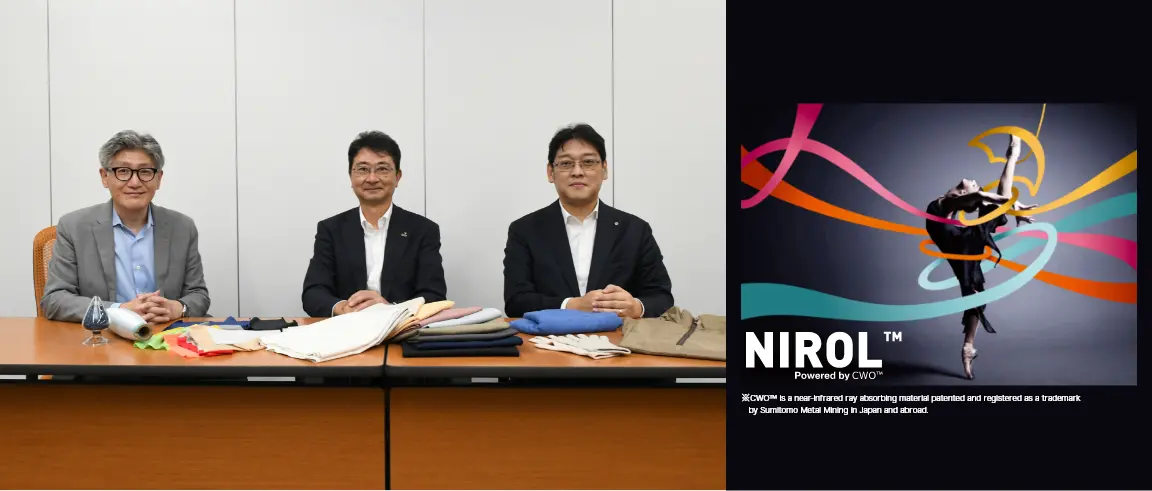
Textile Revolution through Co-Creation Applying SOLAMENT™
Takisada-Nagoya
Sumitomo Metal Mining
Textile Revolution through Co-Creation Applying SOLAMENT™

X-TALK
Case

Article

Case
Introducing Sumitomo Metal Mining’s material products,
which are the starting point for X-MINING innovation.