Article

閉じる
閉じる
Search
Metal Organic Decomposition (MOD) Paste achieves copper-like conductivity, thick film formation, and low-temperature processing by offering the following features:

Oxidation Resistance
Excellent oxidation resistance allows the paste to withstand solder reflow processes

Low-Temperature Wiring
The paste enables wiring formation on polyimide resin substrates
Thick Film Formation
The paste forms thick films by using a proprietary copper powder that sinters at low temperatures within a metal complex ink

High Conductivity
Through sintering, the paste achieves high conductivity that is close to the conductivity of copper metal
Sumitomo Metal Mining's MOD Paste (Metal Organic Decomposition Paste) is a material for printed electronics, the next generation of circuit-formation technology. It offers high conductivity close to that of copper metal, low-temperature sinterability, and oxidation resistance.
Because it combines MOD ink with Sumitomo Metal Mining's low-temperature-sinterable, highly oxidation-resistant nano copper powder, the paste allows flexible thickness control from thin to thick films. That flexibility suits a wide range of devices, from compact and lightweight to large-area.
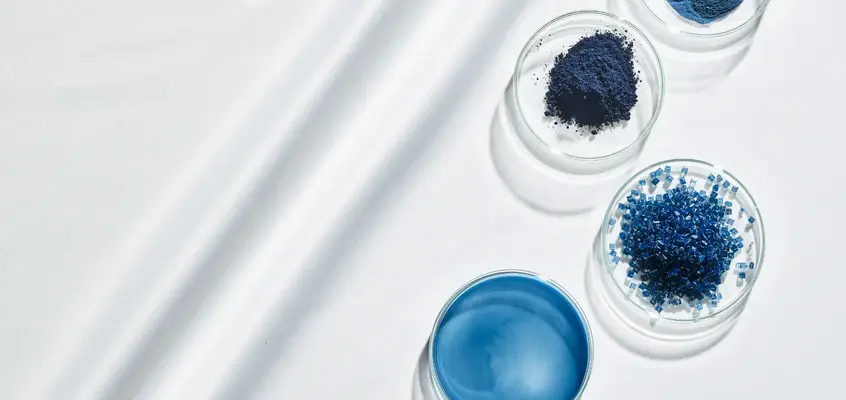
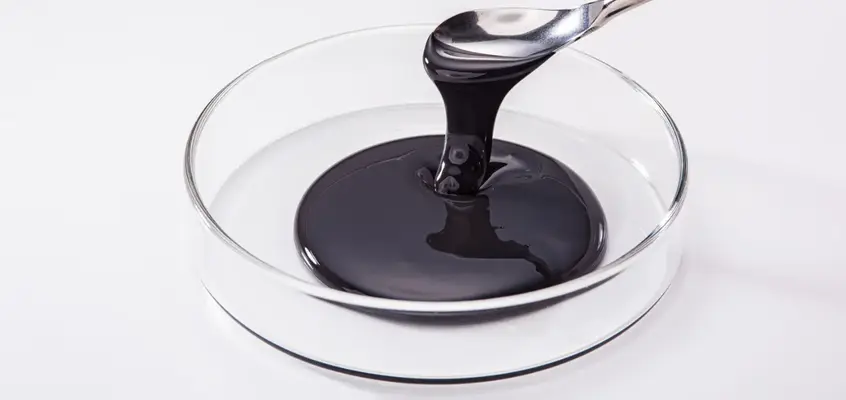
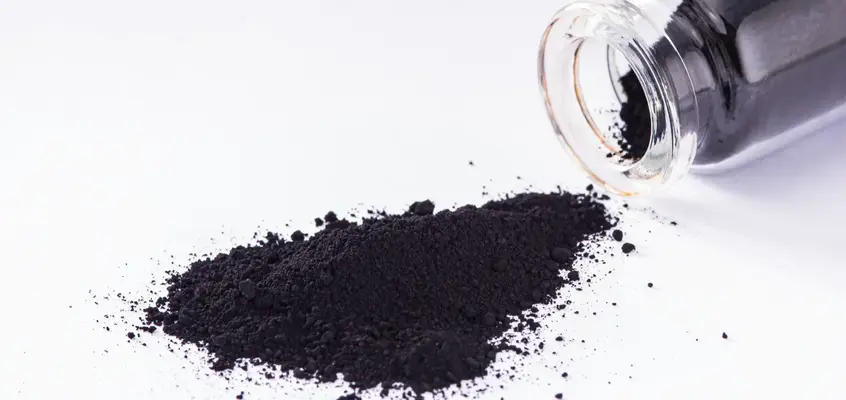
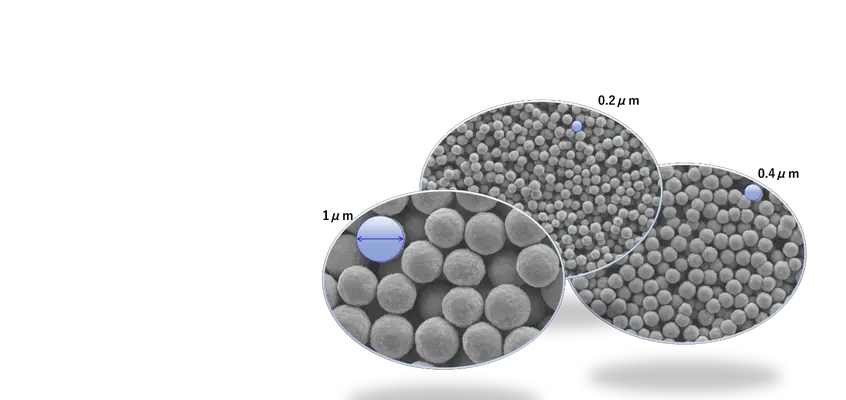
The base of MOD Paste combines MOD ink with highly oxidation-resistant nano copper powder, which sinters at around 200°C. MOD ink consists mainly of a copper (Cu) and nickel (Ni) complex liquid. With this MOD ink, MOD Paste achieves low-temperature sinterability and high oxidation resistance.
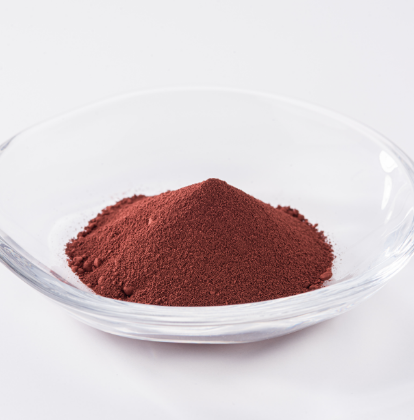
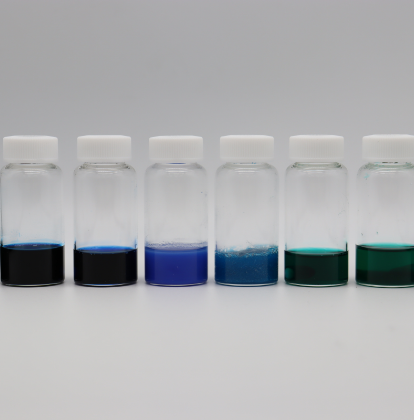
MOD Paste and MOD ink (Metal Organic Decomposition ink) as the Base for MOD Paste
This paste achieves process simplification and environmentally friendly circuit formation by reducing energy consumption and improving film thickness during printing.
The metal complex conductive paste is a conductive material that enables low-temperature sintering for printed electronics. It primarily uses metal complex ink and copper powder.
Printed electronics is a next-generation technology that forms electronic circuits by printing metal films only where needed. Conventional inks using silver or copper nanoparticles are expensive and limited in application due to design restrictions such as oxidation reliability and thin film thickness.
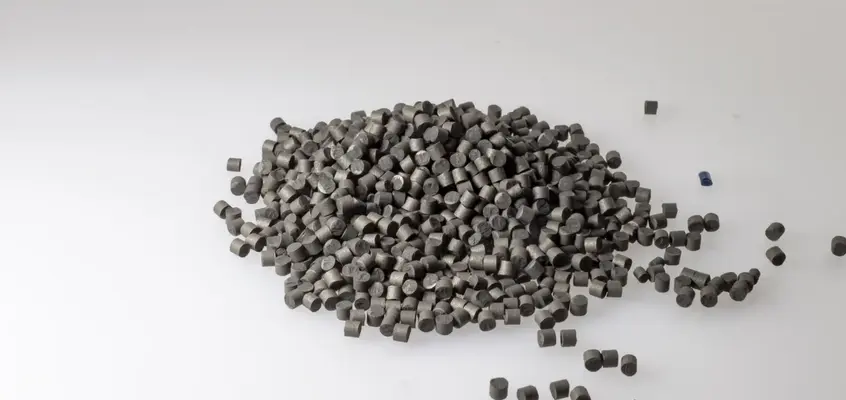
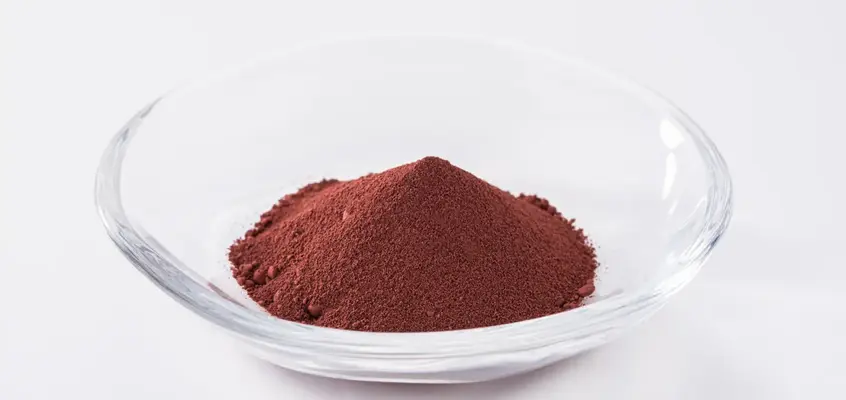
Our conductive paste overcomes these challenges by combining metal MOD ink with low-temperature sinterable, highly oxidation-resistant Nano Copper Powder and nickel for oxidation resistance. This combination achieves an ink that is capable of forming thick films that deliver high conductivity, making it suitable for large-area and high-current applications. Material: Highly oxidation-resistant Nano Copper Powder.
For detailed product information and specifications, download the data sheet below.
For conductive material as Printed Electronics
Because of its wide range of potential applications, MOD Paste is considered for a variety of uses. The following applications are expected:
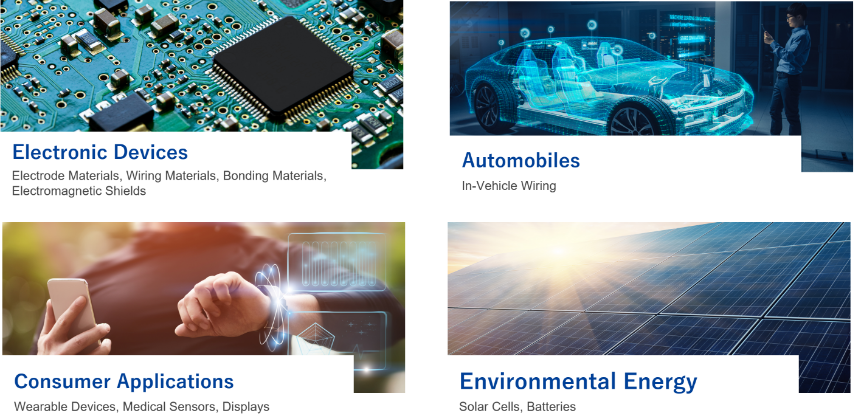
The superior low-temperature sinterability of MOD Paste is applied in key technologies for realizing an IoT society. Unlike traditional subtractive methods that involve etching, printed electronics use an additive process that applies conductive ink or paste only where needed. This process reduces material usage, environmental impact, and manufacturing costs.
This paste is suitable for thin, lightweight, and flexible electronic devices. It can be used in automotive wiring, solar cells, wearable devices, sensor devices, RFID tags, and other applications.
Our dialogue content "X-TALK" features discussions with guests from inside and outside the company, including articles about the future of printed electronics.
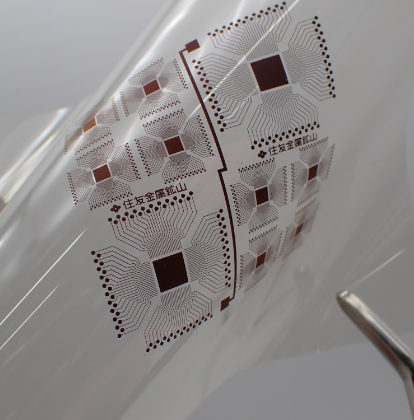
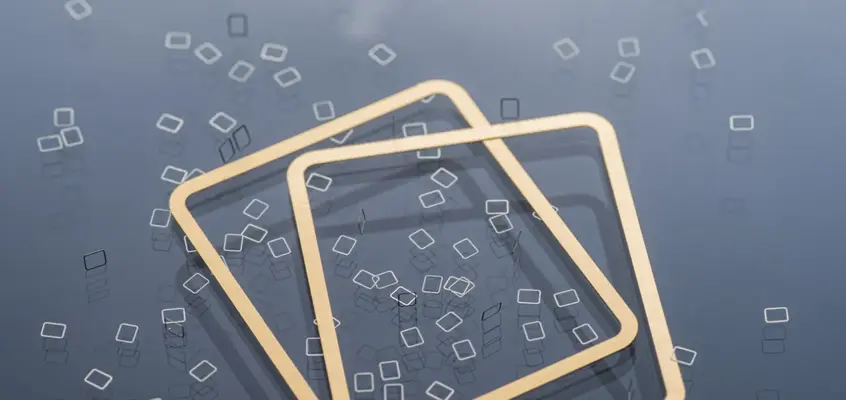
Copper circuits with oxidation resistance
on transparent polyimide substrates

Copper circuits with oxidation resistance
on polyimide substrates
Example: Oxidation-resistant copper circuits on transparent polyimide substrates can be over 5 micrometers thick, compared to the usual 1 micrometers or less for metal complex ink without added copper powder.
X-Mining combines deep materials science expertise with industry insights to innovate and solve challenges.
If you see potential for collaboration, please contact us with any questions.
Article

Article

Article

X-TALK
 Sumitomo Metal Mining
The Future Prospect of Printed Electronics
Sumitomo Metal Mining
The Future Prospect of Printed Electronics

Case
Article
Introducing Sumitomo Metal Mining’s material products,
which are the starting point for X-MINING innovation.