Illuminate
new possibilities


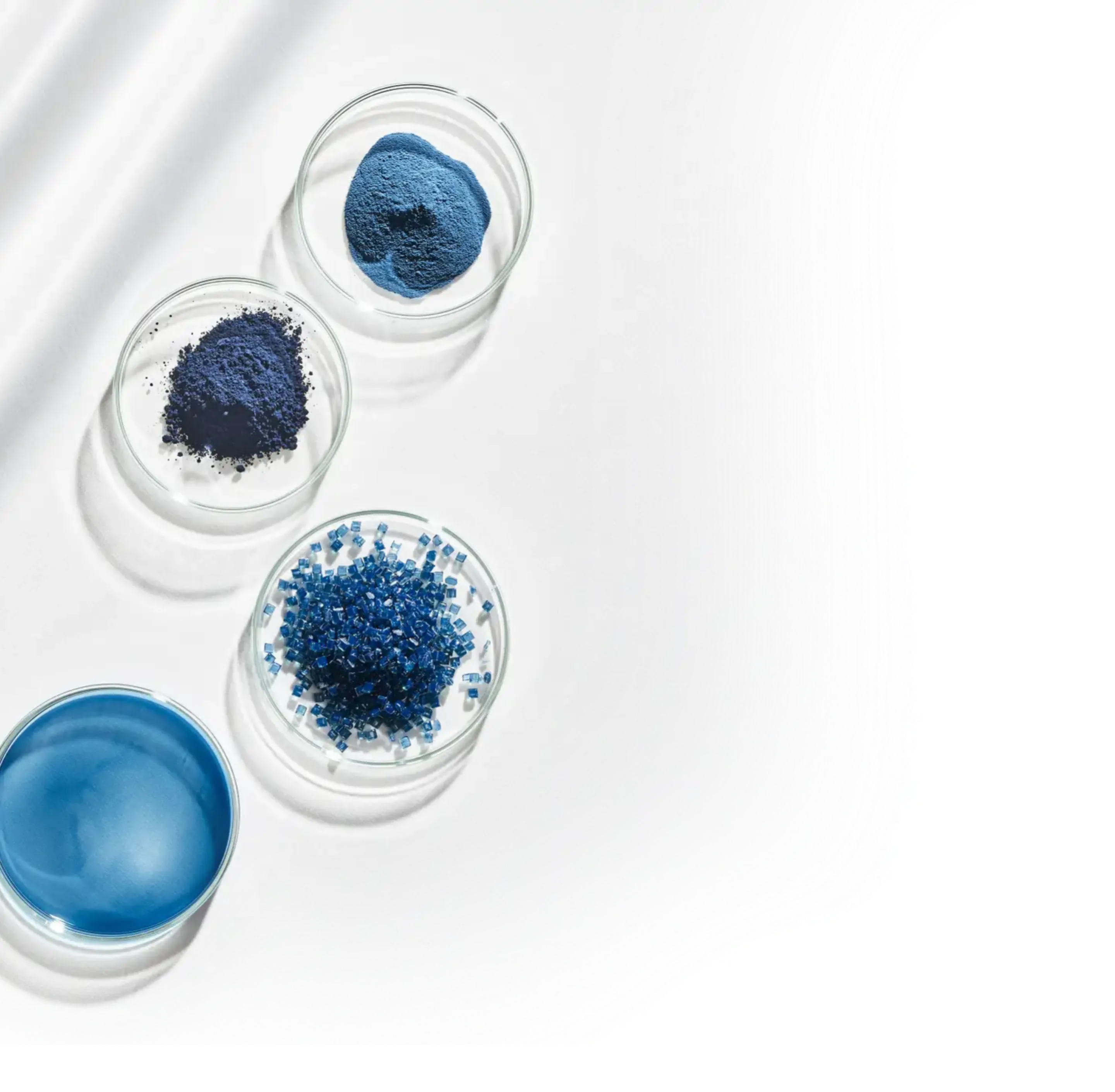
Material that harnesses sunlight by absorbing near-infrared light
Established in 1590, Sumitomo Metal Mining Co., Ltd., with its history of more than 400 years, has developed an innovative material technology made from rare metal-derived nanoparticles. Among near-infrared light absorbing materials, this technology is uniquely transparent.
About us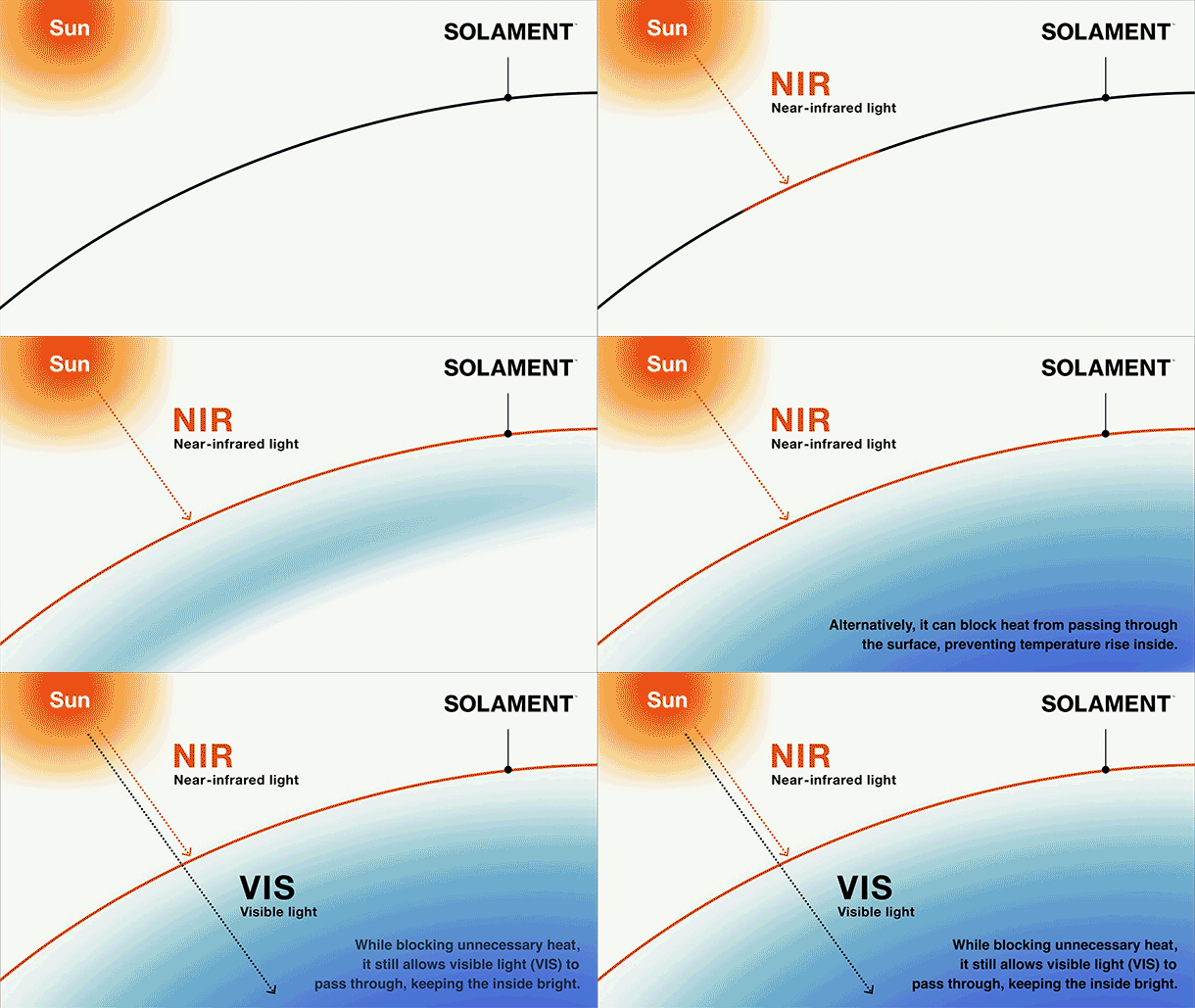
From heating to heat-blocking, freely adaptable
Absorbing near-infrared light (NIR) from the sun, SOLAMENT™ offers various values. By converting absorbed NIR into heat, it can serve as a heat-generating material. Conversely, by absorbing and blocking NIR, which is the primary cause of heat, it can also function as a heat-blocking material that reduces heat transfer into the space beyond.
What is near-infrared light?
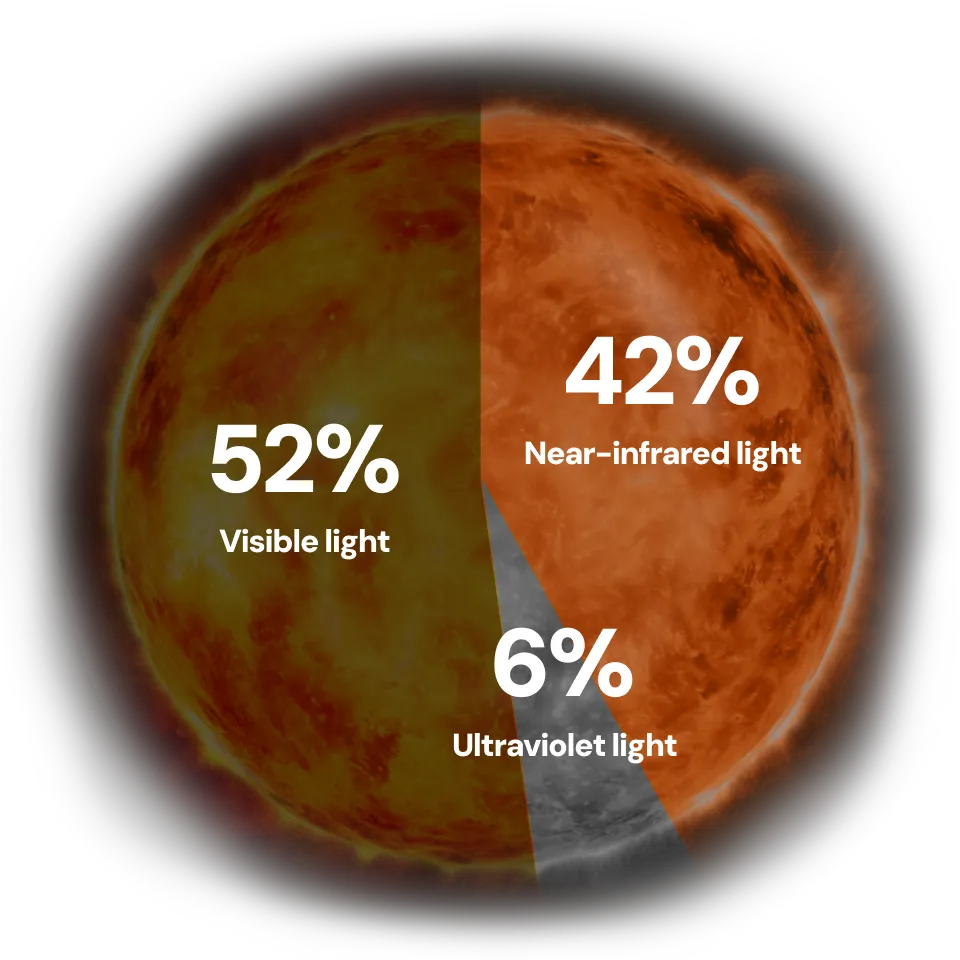
We focus on near-infrared light, which make up 42% of sunlight.
*Source: "Development of fabric for protection of skin photo-aging by solar near-infrared radiation." Photomedicine and Photobiology, Vol.45, 1-3, 2024
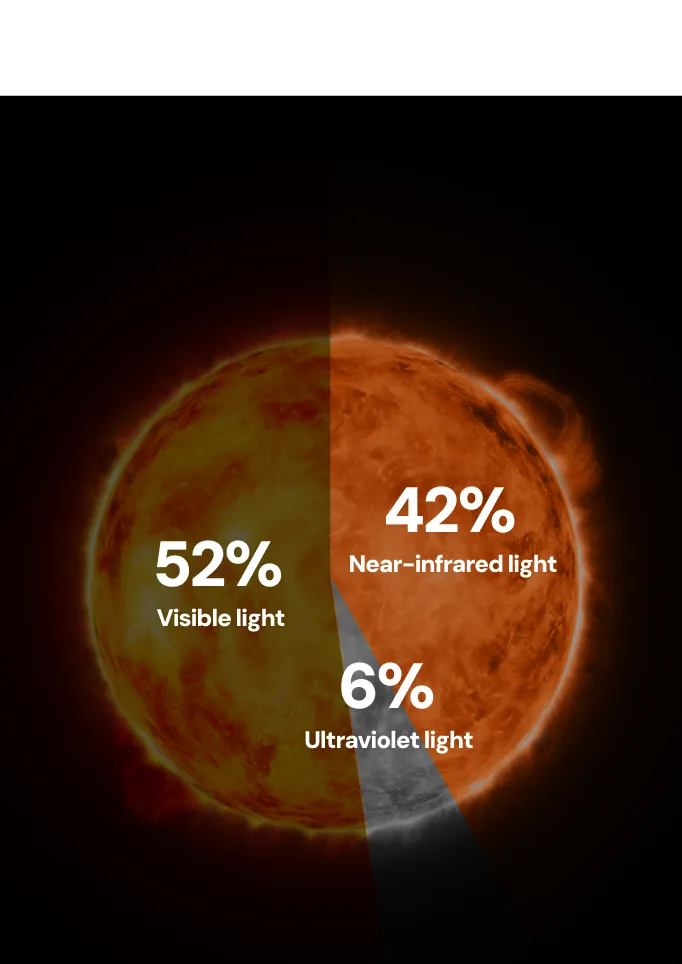
Sunlight is composed of near-infrared light (NIR), ultraviolet (UV), visible light (VIS), and other sources.
Among these, NIR accounts for 42% of sunlight that reaches the Earth’s surface, yet it has been overlooked and underutilized until now.
Due to its ability to penetrate deep into the skin, it has recently gained increasing attention for causing effects on the human body known as photoaging.
Application
As a solar-smart material, SOLAMENT™ is creating value across apparel, agriculture, architecture, and beyond.
Apparel
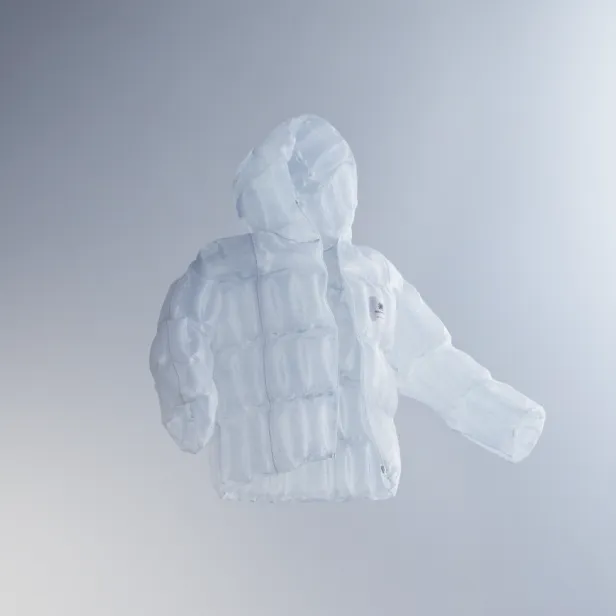
By harnessing heating, heat-blocking and other functional properties, SOLAMENT™ brings innovation to fashion.

Agriculture
SOLAMENT™ provides both heating and heat-blocking functions while allowing visible light through, opening new possibilities in agriculture.

Life Solution
SOLAMENT™ is used as a heat-blocking material for buildings and automotive windows. In addition, through its ability to convert sunlight into heat, it could help prevent snow buildup, moisture, and glass fogging—potentially contributing to urban development and energy savings.
News
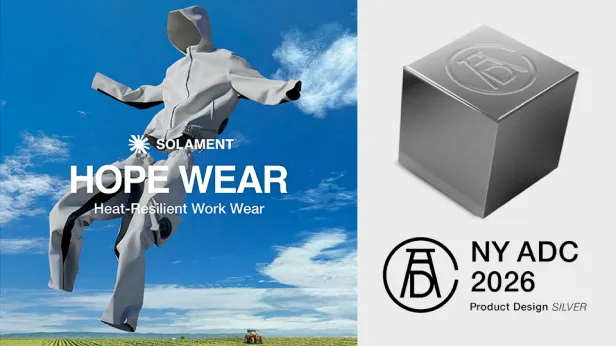
Sumitomo Metal Mining Wins Silver Cube at the 105th ADC Annual Awards

SOLAMENT™ Launches “(Un)dangered Vegetables” Project

Agricultural Concept Model to Debut at J-AGRI TOKYO

“ReFarm by SOLAMENT™” Agricultural Project Officially Launches
SOLAMENT™ Wins the Clio Award 2025 and the Red Dot Design Award 2025
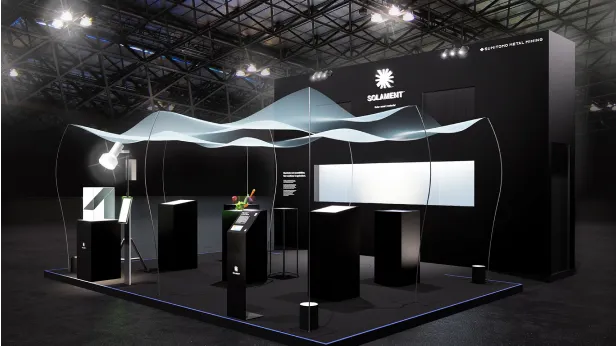
Sumitomo Metal Mining to Exhibit SOLAMENT™ at SXSW2025 and Showcase Applications Themed on the Future of Agriculture
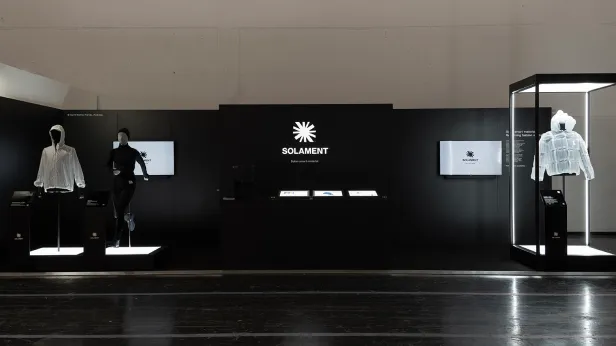
Sumitomo Metal Mining to Exhibit SOLAMENT™ at International Sports Industry Trade Fair ISPO Munich 2024
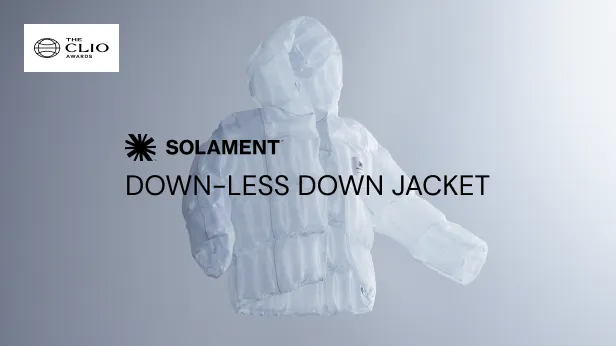
Sumitomo Metal Mining Wins Clio Awards 2024 The Winning Product is DOWN-LESS DOWN JACKET, a Prototype of SOLAMENT™
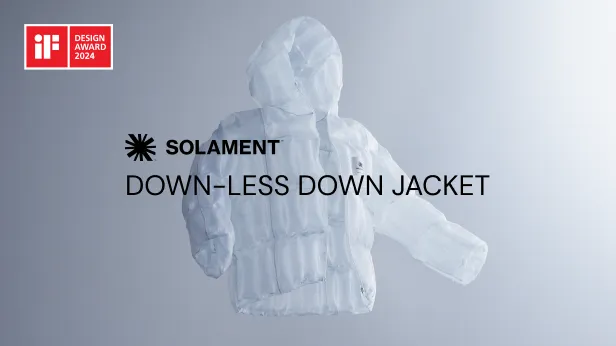
Sumitomo Metal Mining First Wins iF DESIGN AWARD ~ DOWN-LESS DOWN JACKET, a Prototype of SOLAMENT™
Awards



About SOLAMENT™
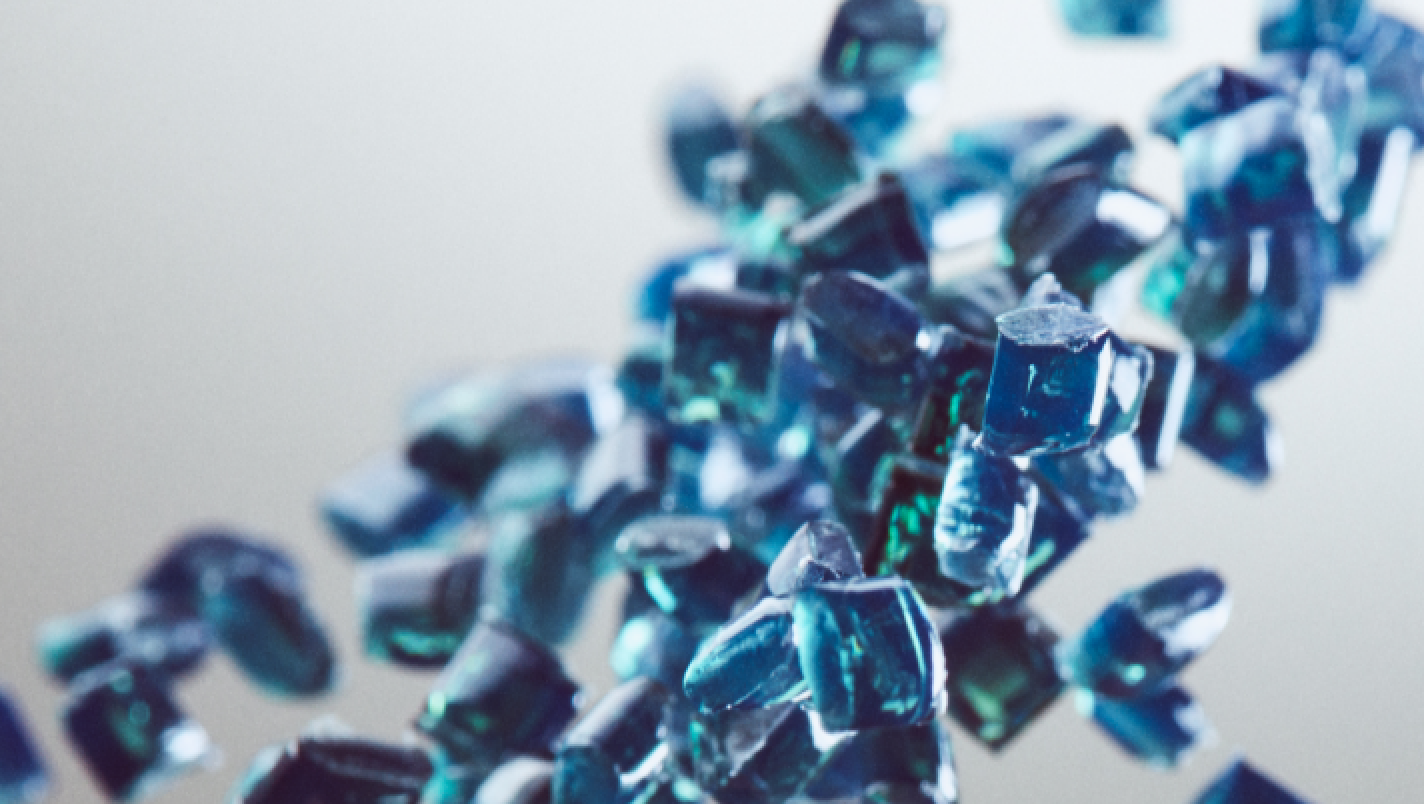
SOLAMENT™ is an inorganic material that allows visible light to pass through while blocking near-infrared light, which causes temperature increases.
Near-infrared light refers to wavelengths longer than visible light, making it invisible to the human eye, yet it makes up about 42% of sunlight which reaches surface.
Both UV and NIR are invisible to the human eye. However, UV radiation has a shorter wavelength than visible light and causes sunburn, while NIR has longer wavelengths and contributes to temperature increases.
SOLAMENT™ is utilized across a wide range of applications.
For example, in automotive and building windows, it helps suppress the rise in indoor temperatures while maintaining visibility.
In apparel, it is used both as a heating and heat-blocking material without compromising design or color.
Developed and manufactured by Sumitomo Metal Mining Co., Ltd. group.
Sumitomo Metal Mining Co., Ltd. is a company engaged in mineral resources development, non-ferrous metal smelting and refining, and the manufacturing and sales of functional materials, and other related businesses.
The raw material of SOLAMENT™ is mainly tungsten oxide.
SOLAMENT™ was developed in Chiba Prefecture and is now manufactured in Kagoshima Prefecture.
SOLAMENT™ appears highly transparent because it works effectively with a low content of substances that have been reduced to nano size, thus the material allows visible light to pass through.
SOLAMENT™ allows 70% of the visible light in sunlight to pass through, while blocking more than 94% of near-infrared light, so that when applied to the windscreen of a car, for example, the temperature inside the car is reduced by more than 10℃.
By adjusting the concentration of SOLAMENT™, the visible light transmittance and near-infrared blocking rates can be customized. For detailed information, please contact us.
Mechanism and Functions of SOLAMENT™
The electrons contained in SOLAMENT™ absorb the near-infrared light from sunlight, efficiently converting light into heat.
When SOLAMENT™ absorbs near-infrared light (NIR) and generates heat, the NIR that causes heat is blocked from passing beyond the heated surface. As a result, it provides a heat-blocking effect, allowing the space to feel cooler.
While SOLAMENT™ is not effective at night, near-infrared light can penetrate clouds, ensuring effectiveness even on overcast days. However, the effectiveness is reduced compared to sunny conditions.
Each functionality is activated based on the specific application, and in some cases, multiple functions can operate simultaneously. We are also exploring new applications for further development.
Traditional heating materials are often black or, if transparent, have limited heat generation capabilities. SOLAMENT™ addresses these issues by providing high heat generation while maintaining transparency.
The nanoparticles efficiently absorb near-infrared light and generate heat. Additionally, they are effective in small quantities and maintain transparency by allowing visible light to pass through.
Infrared light is one type of light contained in sunlight. It is the wavelength of light that humans perceive as heat.
By absorbing light—specifically infrared light—and converting it into heat, SOLAMENT™ consumes the energy before it reaches the target object.
Standard clothing typically allows near-infrared light to pass through, which can make it vulnerable to infrared imaging.
However, when SOLAMENT™ is applied to clothing, it absorbs near-infrared light, helping reduce this risk and prevent such imaging.
Apparel Applications
We do not sell concept models at this time. However, if you are interested in commercialization, please contact us through the inquiry form.
Please reach out to us via the inquiry form for purchasing information.
Just like ordinary fabrics, it can be produced in a wide range of color variations.
Although the material takes on a bluish tint as the amount of SOLAMENT™ added increases, only a small amount is needed to impart its heat-generating effect, allowing freedom in fabric design.
Fabrics such as polyester are available, but since SOLAMENT™ is an inorganic material, it can potentially be adapted to various types of fibers.
We provide only the material; however, we can introduce you to manufacturing partner companies for further development.
For more details, please refer to the “Development process” section in the apparel category.
Our manufacturing partner companies incorporate SOLAMENT™ into the material during the yarn manufacturing process to create the fabric.
For more details, please refer to the “Development process” section in the apparel category.
While UV is known to cause sunburn, recent studies have shown that near-infrared light accelerate skin aging.
The material itself is washable; however, please follow the care instructions provided by the respective manufacturers for the final products.
The material has weather resistance; however, please adhere to the handling instructions provided by the respective manufacturers.
SOLAMENT™ efficiently absorbs near-infrared light from sunlight and converts it into heat, providing warmth very efficiently.
Agriculture Applications
Conventional shading physically blocks sunlight. In contrast, SOLAMENT™ selectively absorbs near-infrared light while allowing visible light to pass through.
This creates a better environment for crops, helping support photosynthesis and healthy growth.
While results vary depending on weather conditions and the growing environment, blocking near-infrared light can reduce air temperature by approximately 2-3℃.
In summer, there are also cases where soil temperatures were reduced by up to 8.5℃.
Because SOLAMENT™ is an inorganic material, its performance remains effective over a long period. However, the actual lifespan depends on the durability and service life of the materials in which it is used.
SOLAMENT™ allows visible light—perceptible to the human eye—to pass through, while strongly blocking near-infrared light, which is a primary cause of temperature rise.
This makes it possible to significantly reduce temperature increases inside greenhouses and low tunnels while maintaining brightness.
Our products include heat-blocking shade for farming that utilizes heat-blocking feature of SOLAMENT™.
Click here to view “AOTENJYO”, available from Notoshichi Co., Ltd.
It has been used as a tunnel for open-field tunnel cultivation.
By blocking excess heat while allowing the visible light needed for photosynthesis to pass through, SOLAMENT™ can help prevent legginess and limit rises in soil temperature in some cases.
For details on usage and considerations, please contact us via the inquiry form.
SOLAMENT™ AgriCool Shade can be installed in existing greenhouses through external or internal coverings.
For more details, we can introduce partner companies—please contact us via the inquiry form.
Yes. We work closely with partners to develop new materials and products using SOLAMENT™.
Please contact us via the inquiry form to discuss your ideas.
Please contact us via the inquiry form.
Life Solution Applications
SOLAMENT™ is used for applications such as blocking near-infrared light in electronic devices like cameras, as well as serving as a heat-generating material for resin processing.
SOLAMENT™ is widely used in windshields and front side windows because they must maintain a clear view for the driver to ensure safe driving.
There have been cases where applying a SOLAMENT™-infused window film to residential windows in Tokyo helped reduce summer indoor temperature rises by around 2℃ and cut air conditioner energy use by about 20%.