Near-Infrared Absorbing Materials

閉じる
閉じる
Search
Heat-retaining materials usually retain body temperature by capturing and holding air.
Common warm materials such as wool, down, and fleece have their own features:
| Materials | Features |
|---|---|
| Wool | Natural heat-insulating material with excellent insulation and air permeability. |
| Down | Lightweight yet provides excellent insulation and warmth. |
| Fleece | Soft, lightweight, warm, and quick-drying. |
Each of these materials has different properties and contributes to warmth in a variety of cold environments.
These materials are selected based on different environments and activities and are widely used for providing heat insulation.
Examples of animal-derived textile materials include wool and down. Some of these materials, such as merino wool and lamb’s wool, typically maintain body temperature by capturing and retaining air.
Down is made from the feathers of geese or ducks and is lightweight with excellent insulation.
Plant-derived fiber materials include cotton and linen. While their insulation properties are slightly inferior, they offer breathability, flexibility, and a lightweight feel. Cotton has high moisture absorption, while linen has a cool texture.
Synthetic fibers are made from man-made materials. Their heat retention properties are also improving. For example, there are thermals that reflect body heat and smart wool, a specially treated wool that enhances moisture-wicking capabilities. Various other materials have their own characteristics:
| Materials | Features |
|---|---|
| Smart wool | Wool that has been specially processed to improve moisture-wicking ability. |
| Fleece | Synthetic material with soft and warm properties. Commonly used for middle layers and jackets. |
| Suede | Heavy and soft leather material. In addition to its heat-retaining properties, it also has a windbreak effect. |
| Polyester cotton blend | Material that combines polyester with cotton to achieve both insulation and durability. |
| Fake fur | Synthetic fur material that offers a luxurious appearance in addition to heat insulation. |
These materials have different properties and contribute to warmth in various cold environments.
From a sustainability perspective, not only the function of clothing materials but also the consideration for socially responsible consumption is important.
Technological advancements have led to improved performance in heat-retaining materials. For instance, new synthetic fibers and coating techniques have made it possible to achieve effective insulation with thinner and lighter materials. Highly functional materials include those that not only provide insulation but also offer a variety of functions. These materials are driven by technological advances and consumer demand.
New materials and processing techniques have led to the development of materials that are lighter in weight yet still provide effective insulation. This allows for warmth to be maintained without the need for bulky and heavy clothing.
Materials with high breathability and moisture absorbency provide a comfortable wearing experience. The escape of moisture prevents evaporative cooling and keeps it warm.
Advancements in technology have led to the development of materials with heating and temperature-regulating capabilities. This allows you to adjust the temperature to suit your individual comfort.
Materials that offer not only warmth but also breathability, moisture absorption, quick-drying, and other functionalities are in demand. This allows for the development of garments that can adapt to various climates and activities.
Sportswear and outdoor apparel are increasingly incorporated into everyday fashion. Warm materials are now being designed with a focus on both functionality and design.
These trends are evolving in response to changes in consumer interest and demand. More sustainable and high-performance materials are being developed and expanding choices for consumers.
Ethical consumption refers to consumer behavior that takes into consideration the impact on the environment and society. It involves considering the resolution of social issues and supporting businesses that address these issues while engaging in consumption activities. Sustainable materials, animal welfare, and labor conditions are among the considerations.
To reduce environmental impact, there is a growing trend towards choosing recycled fibers and organic materials.
Due to ethical concerns regarding animal fibers, there is progress in developing materials that can be obtained without causing harm to animals. For example, fiber derived from plants is being used to reduce dependence on animal-derived materials.
The working conditions and wages i related to material production are also important from an ethical consumption perspective. Materials and products produced in factories that provide proper working environments are supported.
Some warm materials are heat-generating fibers due to photothermal conversion. These are fiber materials that generate heat by converting the light energy of sunlight into thermal energy.
Light-to-heat conversion fibers have potential applications in various fields such as outdoor wear, cold-resistant clothing, clothing with built-in heaters, camping equipment, emergency heat-insulating goods, and medical applications.
Heat-emitting fibers from photothermal conversion technologies emphasize sustainability and energy efficiency, utilizing sunlight as an environmentally friendly energy source to provide comfort.
Sunlight consists of various types of light, including visible light, ultraviolet rays, and near-infrared rays (light in the near-infrared region). This photothermal conversion utilizing near-infrared rays absorbs near-infrared rays from sunlight and heat sources, and is a conversion technology to photothermal energy, which exhibits a heat generating function.
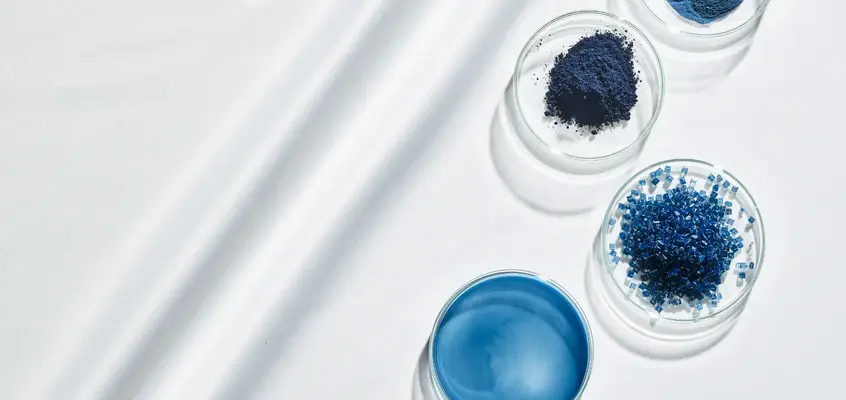
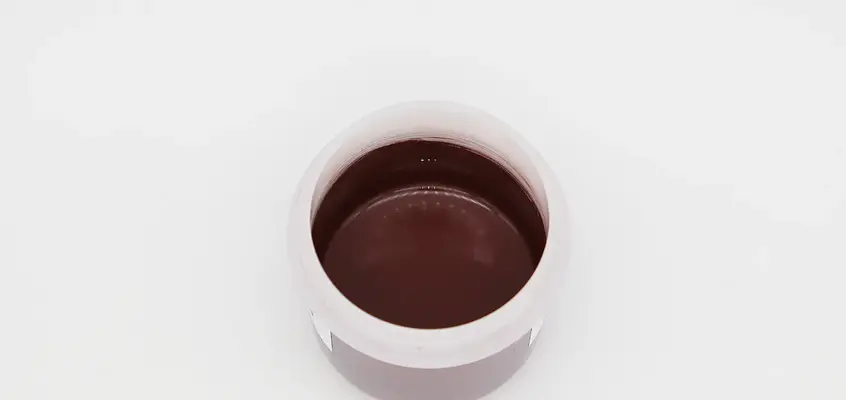
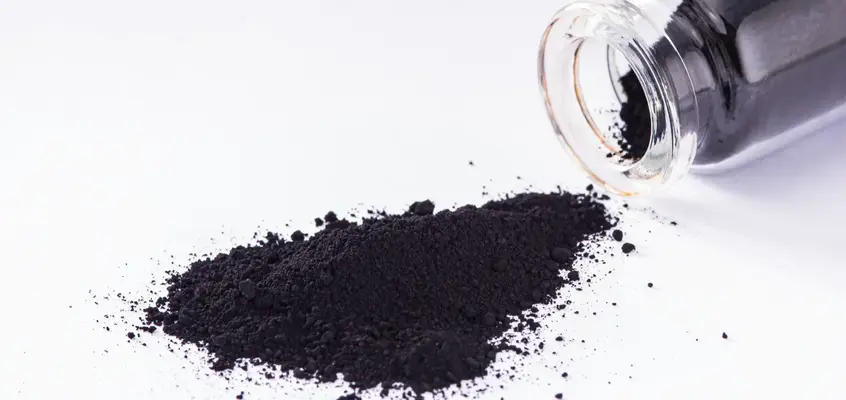
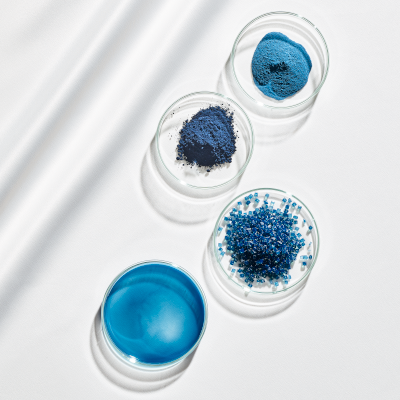
Sumitomo Metal Mining’s Near-infrared Absorbing Material has the characteristic of strongly absorbing “near-infrared” ray. It also has the feature of high transparency in the visible range, so it can exhibit near-infrared absorption function even when applied to colorless transparent or white materials.
However, even colorless and white materials that use the near-infrared radiation absorbing material of the Sumitomo Metal Mine can be heated by applying near-infrared light.
<Solutions>Heating White & Translucent Objects with Sunlight
Learn more about the near-infrared absorbing materials from Sumitomo Metal Mining.
In this article, we have introduced the heat insulating materials used in warm clothing. Heat-retaining materials are important for maintaining body temperature in cold environments. They include wool, down, and fleece which have different characteristics and are compatible with a variety of environments and activities.
In addition, against the backdrop of diversifying needs and growing interest in social issues, materials are also attracting attention for their high functionality, ethical consumption, and sustainability, and the diversification of warm materials is spreading.
Heat-emitting fibers from photothermal conversion utilize solar light to provide comfort and utilize sustainable energy sources. Sumitomo Metal Mining’s near-infrared radiation absorbing materials are characterized by high transparency in the visible range, and they can be heated efficiently by using near-infrared light even for colorless and white objects.
If you are interested in Sumitomo Metal Mining’s near-infrared radiation absorbing materials, please feel free to contact us through the inquiry form.
Ready to get started? Contact us to talk about your requirements.
Introducing Sumitomo Metal Mining’s material products,
which are the starting point for X-MINING innovation.