Near-Infrared Absorbing Materials
閉じる
閉じる
Search
With the rising cost of fuel, electricity bills continue to climb. In today’s world, where electricity is essential, many households and businesses are looking to save energy to reduce their financial burden. Furthermore, companies are considering energy saving and consumption reduction as their first step towards contributing to sustainable society building and the SDGs.
This article introduces efficient energy-saving methods that individuals and businesses can practice, as well as products from Sumitomo Metal Mining that help reduce electricity consumption.
If you think about reducing electricity consumption, it’s crucial to know the peak times for electricity usage and which appliances consume the most power.
In Japan, the total demand for electricity in businesses tends to peak during the daytime (1 PM to 5 PM). This is because offices and factories resume operations after lunch break and continue until the end of the workday.
For businesses, electricity demand tends to peak during the daytime, especially from 1 PM to 5 PM, due to operations resuming after lunch break. In contrast, households see a peak in the evening, around 6 PM, as families return home and increase their electricity usage.
The following are the main high-consumption appliances commonly used in households:
Air conditioners are one of the highest power-consuming appliances, especially during summer months when they are used extensively to cool homes.
To reduce electricity consumption at home, individuals should be mindful of saving energy with their appliances.
Below, we introduce specific energy-saving methods for appliances that are frequently used at home and consume a lot of power.
Air conditioners are among the highest power-consuming appliances, so being mindful of energy-saving can significantly reduce electricity consumption.
Using thick or heat-blocking curtains can prevent heat from entering through windows in summer and keep warm air from escaping in winter, allowing for more efficient use of heating and cooling. Additionally, clogged filters can reduce the effectiveness of heating and cooling, wasting electricity, so it’s advisable to clean them every two weeks.
Refrigerators, which run continuously, can also have their electricity consumption reduced with small daily actions.
An overfilled fridge can cause the temperature inside to rise, requiring more power to cool down, so avoid overpacking. Also, try to minimize the number of times the fridge is opened and closed.
Many people may not have adjusted their fridge’s temperature setting since purchase, but setting it to “medium” in summer and “low” in winter can help save electricity.
Lighting devices, used throughout the year for long periods, can also offer significant energy-saving potential depending on the type and usage. Turning off unnecessary lights, especially when leaving a room for a long time, and switching to LED lighting can be effective energy-saving measures. LED lamps maintain brightness equivalent to incandescent bulbs and fluorescent lamps with less power.
Televisions, used frequently regardless of the season, are next in line after air conditioners, refrigerators, and lighting in terms of household electricity usage.
Power consumption varies with size and type of display, but generally, larger and higher-quality TVs consume more power and incur higher electricity costs. Turning off the TV when not in use is obvious, but setting it to “energy-saving mode” and reducing screen brightness while watching can also reduce power consumption.
Other immediate energy-saving measures for households include:
Even when turned off, appliances and gas equipment still consume a small amount of power if plugged in. For TVs, computers, printers, and other devices not used for a long time, unplugging them can help reduce standby power consumption.
In office buildings (around 5 PM in summer), air conditioning accounts for about 49%, lighting about 23%, and office equipment such as computers and multifunction devices about 14% of electricity consumption.
Therefore, when businesses aim to reduce electricity consumption, they should first review initiatives related to lighting, air conditioning, and office equipment.
With many lights installed in offices, reviewing the overall usage can significantly reduce electricity consumption. Reducing the number of lights within a necessary brightness range and adjusting the brightness settings can be effective measures.
If incandescent bulbs are in use, considering replacing them with less power-consuming fluorescent or LED bulbs could be an option. Although the initial cost might be a concern, it can lead to reduced running costs in the long run.
The recommended setting for summer air conditioning is 28 degrees Celsius, and for winter heating, it’s 20 degrees Celsius.
Raising the temperature setting by one degree in summer can reduce power consumption by about 13% (about 70W), and lowering it by one degree in winter can save about 10% of power consumption. However, excessively limiting air conditioner use can affect health, especially in summer, when there’s a risk of heatstroke.
Using fans or circulators in conjunction with air conditioning can circulate indoor air, enhancing cooling and heating efficiency.
Computers, fax machines, and multifunction devices (copiers), essential for automating and streamlining office work, also account for a significant portion of office power consumption.
Turning off or unplugging devices when not in use, setting power-saving or sleep modes, and reducing the number of operational units based on usage frequency are ways to reduce power consumption.
Moreover, as the latest office equipment often features higher energy efficiency, upgrading to new products can also achieve significant energy-saving effects.
Other immediate energy-saving measures for businesses include:
Introducing Cool Biz, which involves dressing more casually by omitting ties and jackets, allows for a comfortable and cool work environment even on hot days with appropriate room temperature settings.
For companies that regularly use vehicles, promoting eco-driving practices within the company, such as gentle acceleration and braking, can also be an effective energy-saving measure.
Energy saving is one of the practical methods for individuals and businesses to start practicing the SDGs immediately.
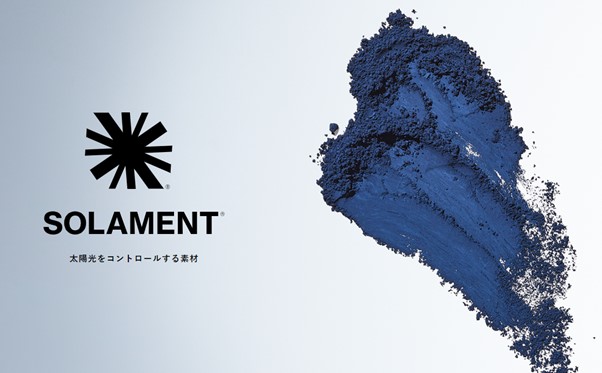
Sumitomo Metal Mining is also engaged in initiatives aimed at achieving the SDGs, and one of its products, the near-infrared absorbing material SOLAMENT™, helps reduce electricity consumption.
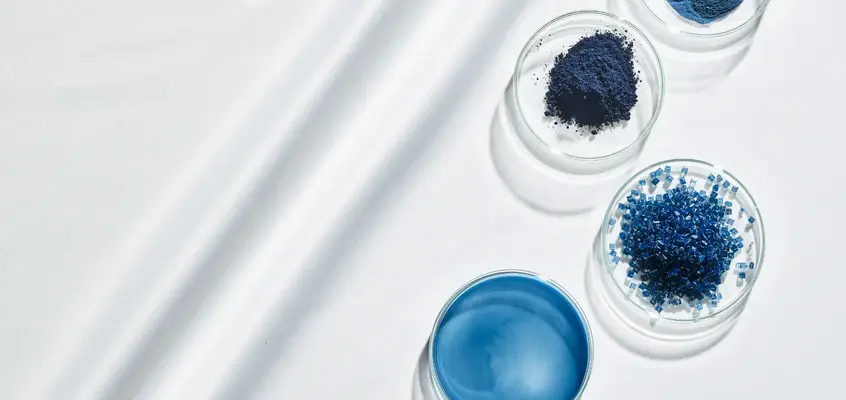
SOLAMENT™, a near-infrared absorbing material, blocks sunlight’s heat-contributing wavelengths without compromising transparency, thereby reducing the need for air conditioning and significantly cutting down electricity consumption.
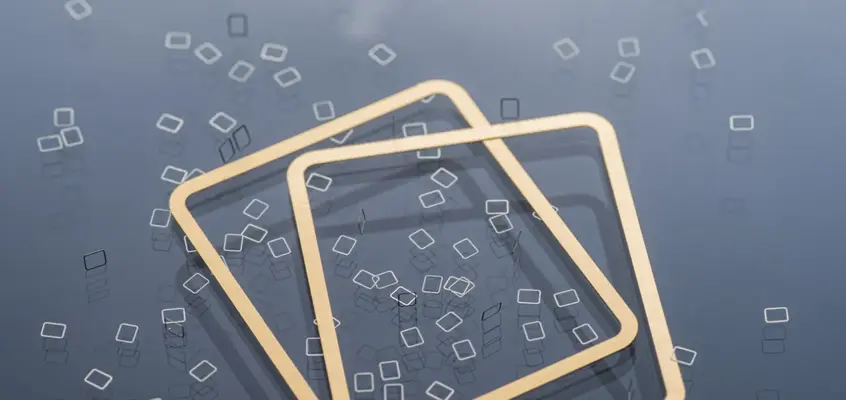
The near-infrared absorbing material “SOLAMENT™” is an original material capable of strongly absorbing light with wavelengths of 850–1200 nm, which are the main contributors to the heat from sunlight.
Its high heat-blocking and transparency properties make it possible to create highly transparent heat-blocking windows. Using it for office windows can block only the light that causes temperature increases, enhancing air conditioning efficiency and maintaining comfortable room temperatures.
Buildings with large glass windows offer a sense of openness and have advantages in attracting customers and security, but they tend to experience temperature rises in summer, requiring powerful air conditioning. However, windows using the near-infrared absorbing material “SOLAMENT™” can achieve both an open space and comfortable room temperatures without compromising design.
For more information on cases where SOLAMENT™ has been used for glass windows, please visit the following page.
[Case Study]Preventing High Temperatures in Glass Buildings
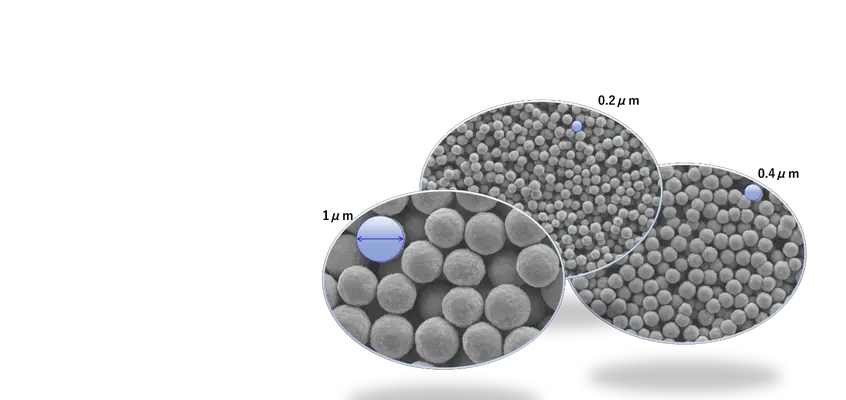
*SOLAMENT™ is a material technology brand made from CWO™, nanoscale particles that have the unique ability to absorb NIR, invented by Sumitomo Metal Mining Co., Ltd. This innovative technology, patented and trademarked both domestically and internationally, enables precise control of sunlight.
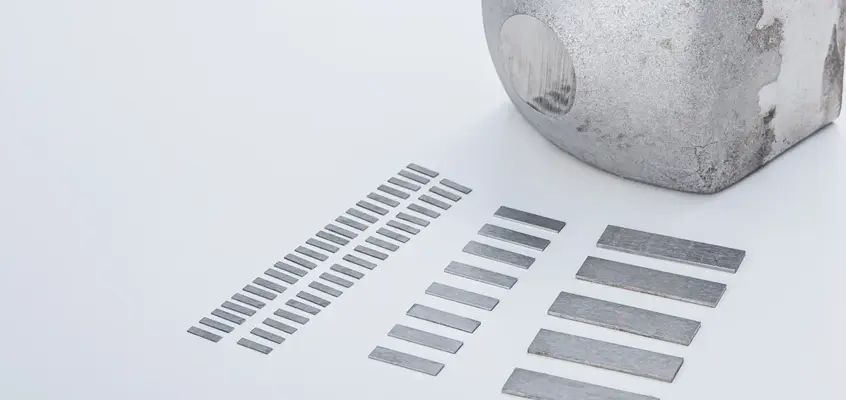
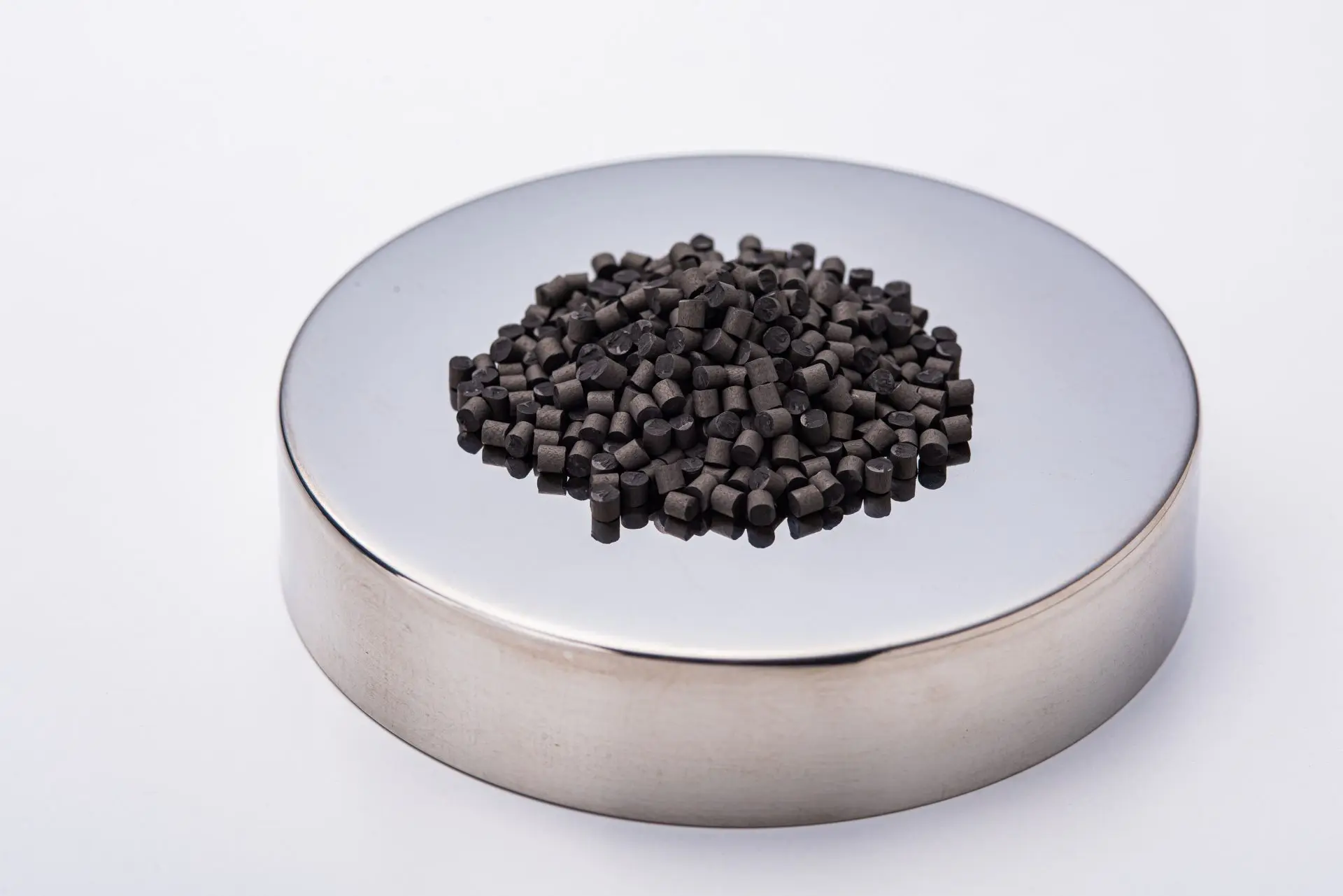
Our SmFeN (samarium-iron-nitrogen) magnet material, the main component of the magnet material “Wellmax™”, is also expected to contribute to further reductions in electricity consumption.
Its strong magnetic force is a key feature, and it has been used in household appliances such as air conditioners and washing machines for over 20 years. Recently, its use has expanded to electronic devices and automotive motors, especially in products where miniaturization, weight reduction, and high efficiency are required.
According to the Japan Electrical Manufacturers’ Association, motors account for about 55% of Japan’s electricity consumption and 40–50% worldwide. Therefore, the use of “Wellmax™” for more efficient motors is expected to play a significant role in reducing electricity consumption in the future.
[Product Introduction]Rare Earth Magnet Material Wellmax™ – Details on SmFeN Magnet Material

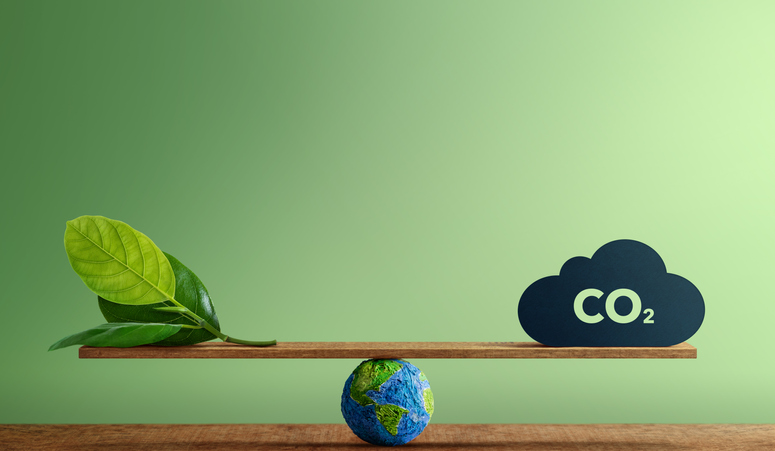
The energy-saving and electricity consumption reduction efforts introduced here for individuals and businesses contribute to the global movement towards carbon neutrality.
Carbon neutrality means reducing the net amount of greenhouse gas emissions to zero by absorbing or removing emitted gases.
Since Japan’s main method of electricity generation is thermal power, which burns fossil fuels, efforts to save energy and reduce electricity consumption can help decrease emissions of greenhouse gases such as carbon dioxide. For more details on carbon neutrality, please refer to the following article.
[Related Article]What is Carbon Neutrality? Understanding Its Meaning and Specific Initiatives
For household energy saving, small actions accumulate to make a big difference. For corporations and businesses, reviewing areas with high electricity consumption such as lighting, air conditioning, and office equipment can be efficient. Additionally, as electrical appliances and office equipment continue to evolve, upgrading to models with higher energy efficiency is recommended.
Sumitomo Metal Mining aims to innovate through “co-creation” by utilizing our products and technologies and collaborating with others. Companies interested in reducing environmental impact, engaging in SDGs initiatives, and making social contributions are encouraged to explore our other products and solution cases.
Ready to get started? Contact us to talk about your requirements.
Introducing Sumitomo Metal Mining’s material products,
which are the starting point for X-MINING innovation.